Creating a Heritage
Learning Experience
for Students w/ NHB
Developing the "The Merging", a conceptual card game for history students.
Project Brief
Design a seamlessly integrated, heritage learning experience that maximizes student engagement, deepens knowledge retention, and streamlines delivery for educators.
My Role
Research, Content Development, UX Design, Prototyping, Testing
Project Time
7 Weeks
Before diving into the project, I'd like to first explain the context around the task.
This team project involved five members split into two sub-teams: the design team, who handled visuals, and the content team, who developed the user experience and material used. I was part of the content team and will therefore primarily discuss that aspect.
Unless specified otherwise, assume that visuals were not done by me.
Additionally, we were assigned a topic to work on within the secondary school history textbook, Chapter 8, which covers the 1963-1965 Singapore-Malaysia Merger, the events that took place, and what led to our independence.
Although we had limited access to our stakeholders outside of client meetings, we remained focused on the people we were designing for and how we could best serve their needs.

STAKEHOLDER #1
The design is easy to understand and introduce to students.
Facilitation is manageable and not overwhelming on their end.
The design maintains an educational focus and supports knowledge retention.

STAKEHOLDER #2
The design is easy to understand and pick up for usage.
The design is able to challenge their learned knowledge on the subject.
The design is able to reward the student for their effort.

STAKEHOLDER #3
The design is easy to understand and pick up for usage.
The design is able to fill in knowledge gaps and reinforce teaching points.
The design does not punish the user for their lack of knowledge, but instead encourages trying.
Our group wanted to create a game, as we felt that it would be the most effective way to capture the attention of students. In these early stages, each of us developed our own proposal. However, we agreed to design with two key themes in mind
throughout the process.
Firstly, the concept of merging and breaking. This theme aligns with the topic of our assigned chapter—the merger between Singapore and Malaysia, and their eventual separation.
Early mockup for an online game proposal, done by me.
Secondly, competitiveness. Secondly, competitiveness. We felt that incorporating competitive elements would not only make the game more engaging for students, but also reflect the tension between Singapore and Malaysia during that historical period.
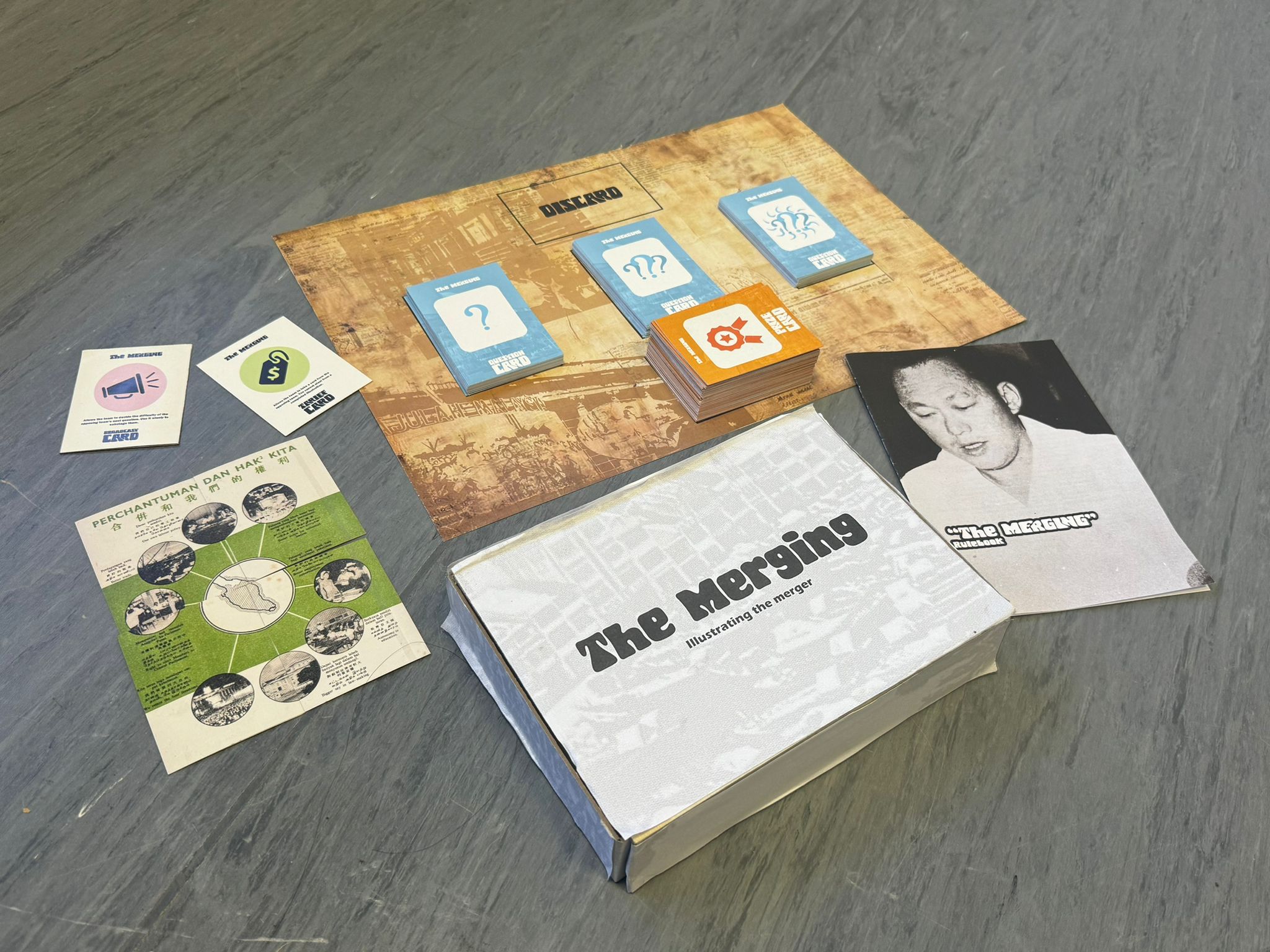
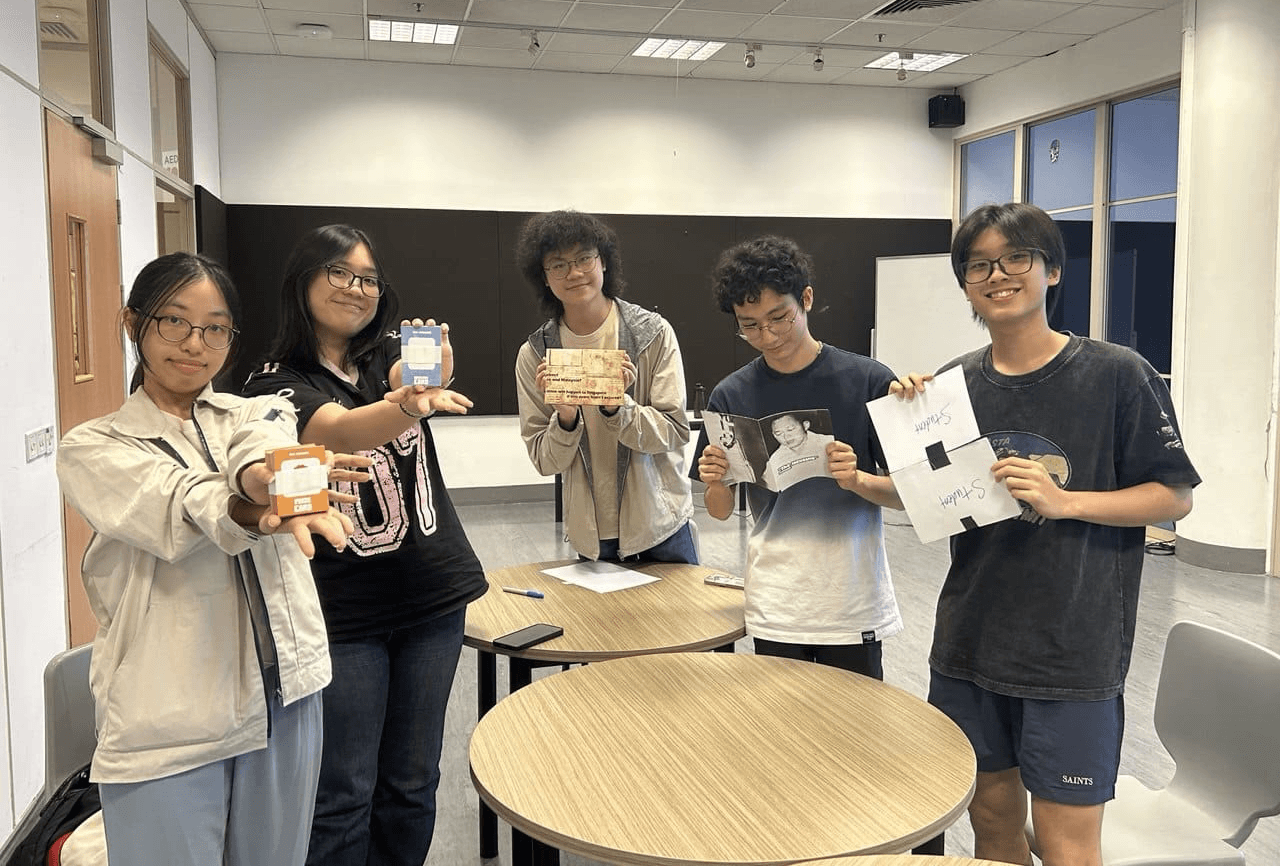
Eventually, we landed on a proposal and low-fidelity design for "The Merging".
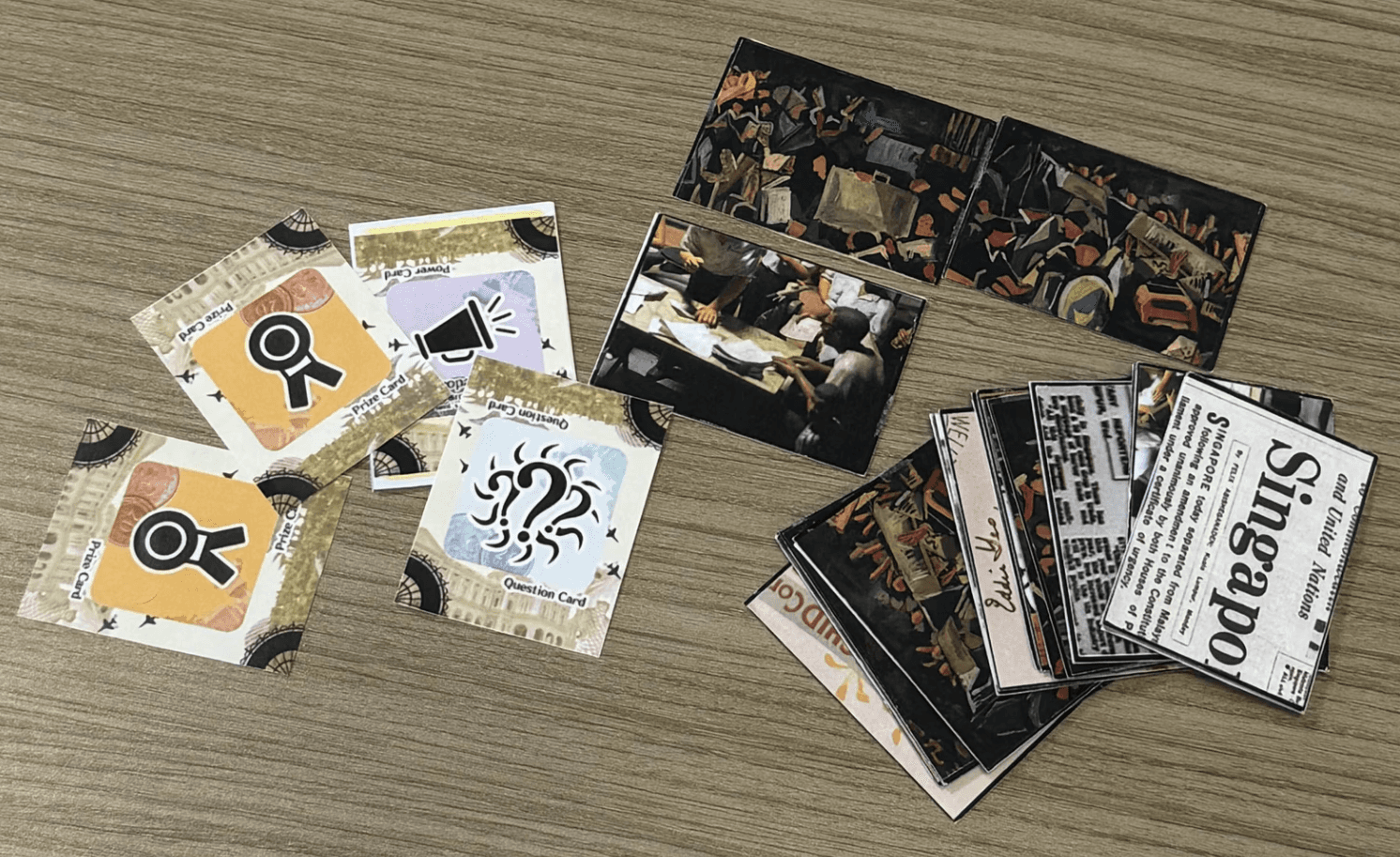
"A two-team game where players take turns answering questions for a chance to earn prize cards. These cards can be pieced together to form images of key events during the Merger. The team with the most completed images wins."
Intended to be played after Chapter 8 has been taught, serving as a fun alternative way to revise material, while also exposing the students to additional sources that are relevant to the subject.
As a part of the content team, we had two main things to develop in terms of material used, the questions and the illustrations used in the Prize Cards.
Most of the questions were based on information from the history textbook, with the main challenge being how to frame them effectively.
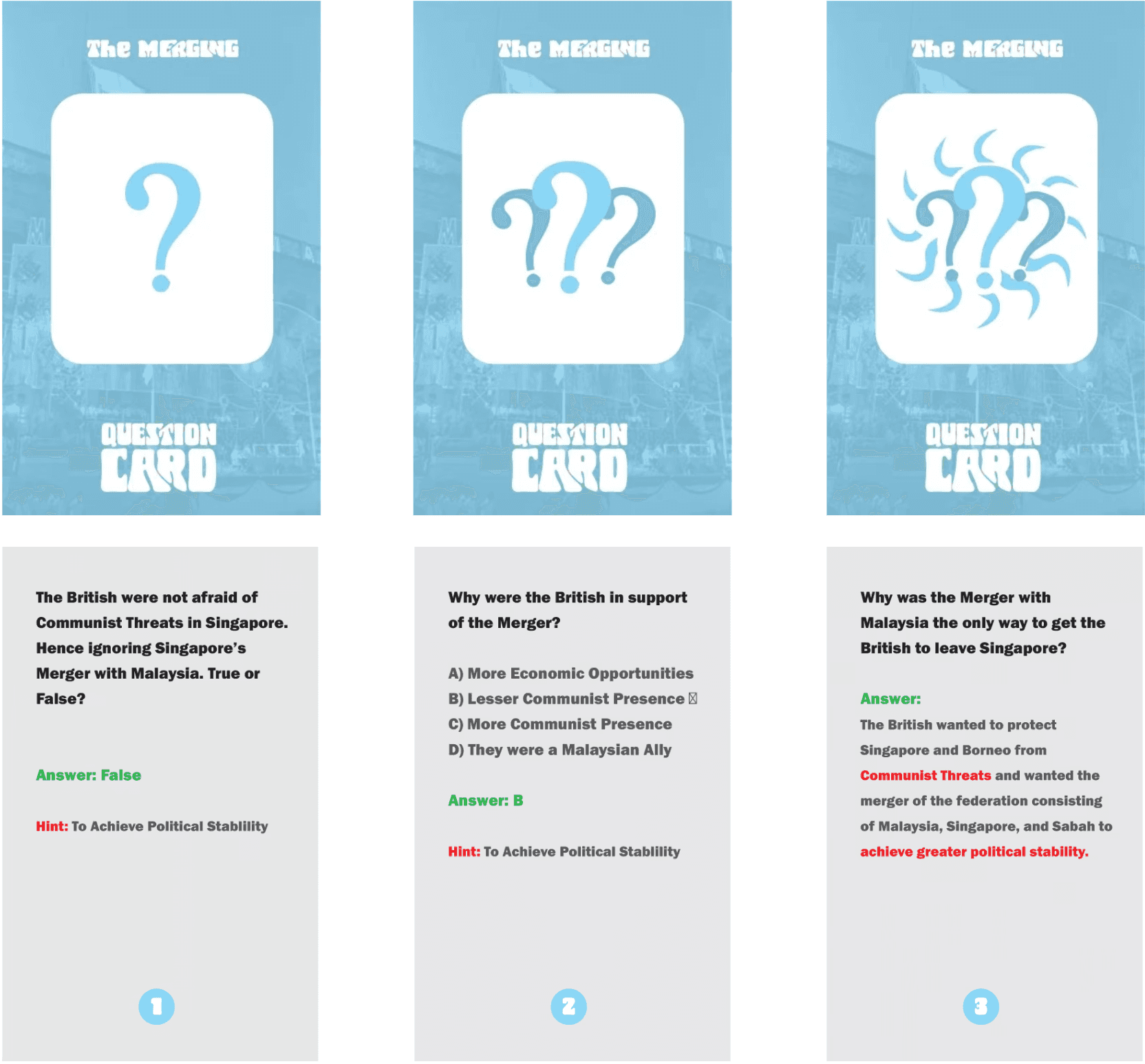
We decided to include three levels of difficulty for
our questions, each offering different rewards
based on the level completed correctly:
Level 1: True or False – 1 Prize Card
Level 2: MCQ – 2 Prize Cards
Level 3: Fill in the Blanks – 3 Prize Cards
This system rewards the advanced learners who
can tackle Level 3 questions, while still engaging
emerging learners through Levels 1 and 2.
By offering varying levels of difficulty, the game
ensures that all students can participate
meaningfully, regardless of their current
understanding.
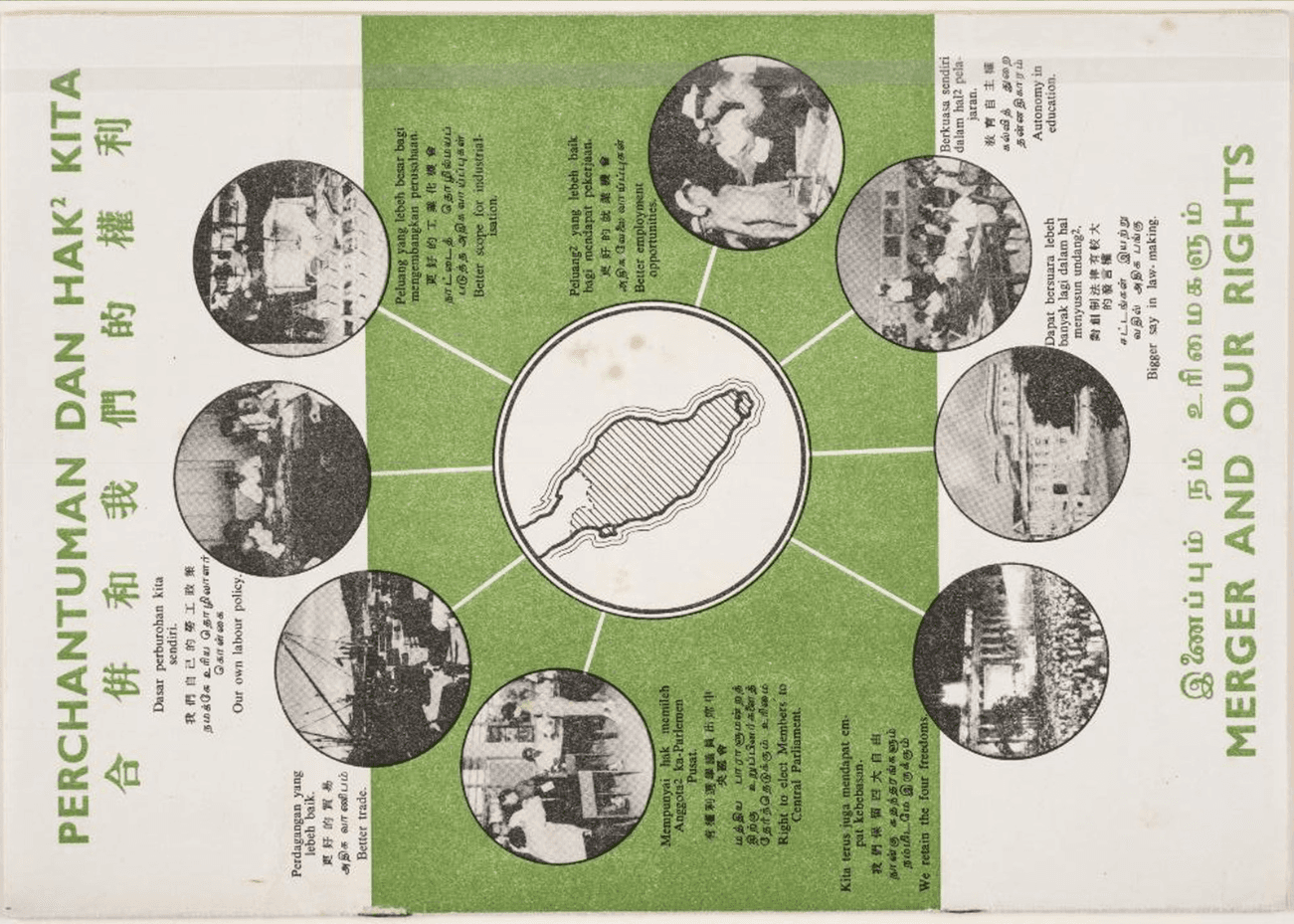
As for the Prize Card illustrations, we saw this as a valuable opportunity to showcase additional sources or material related to the 1963–1965 Merger period that can give further context to the students.
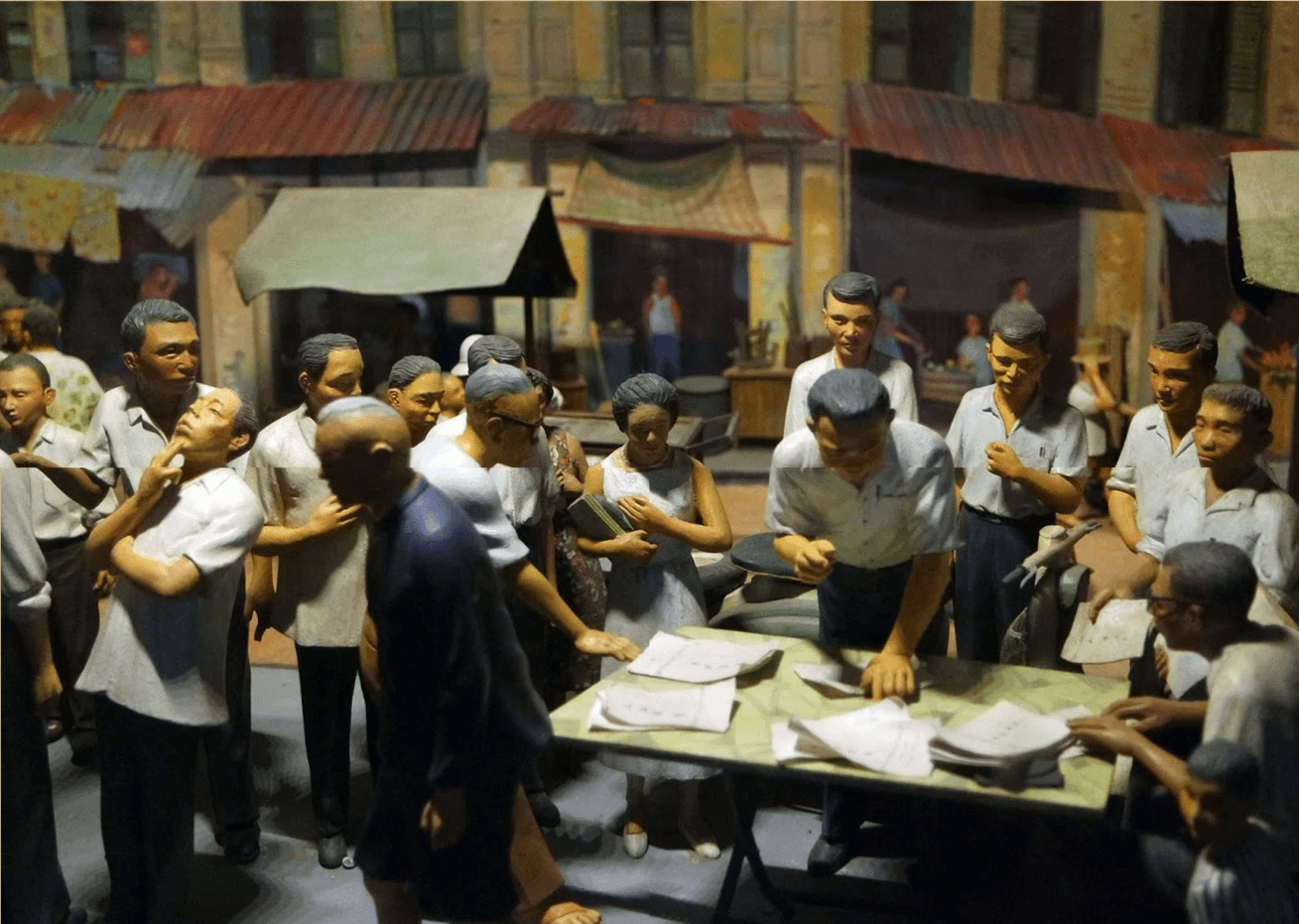
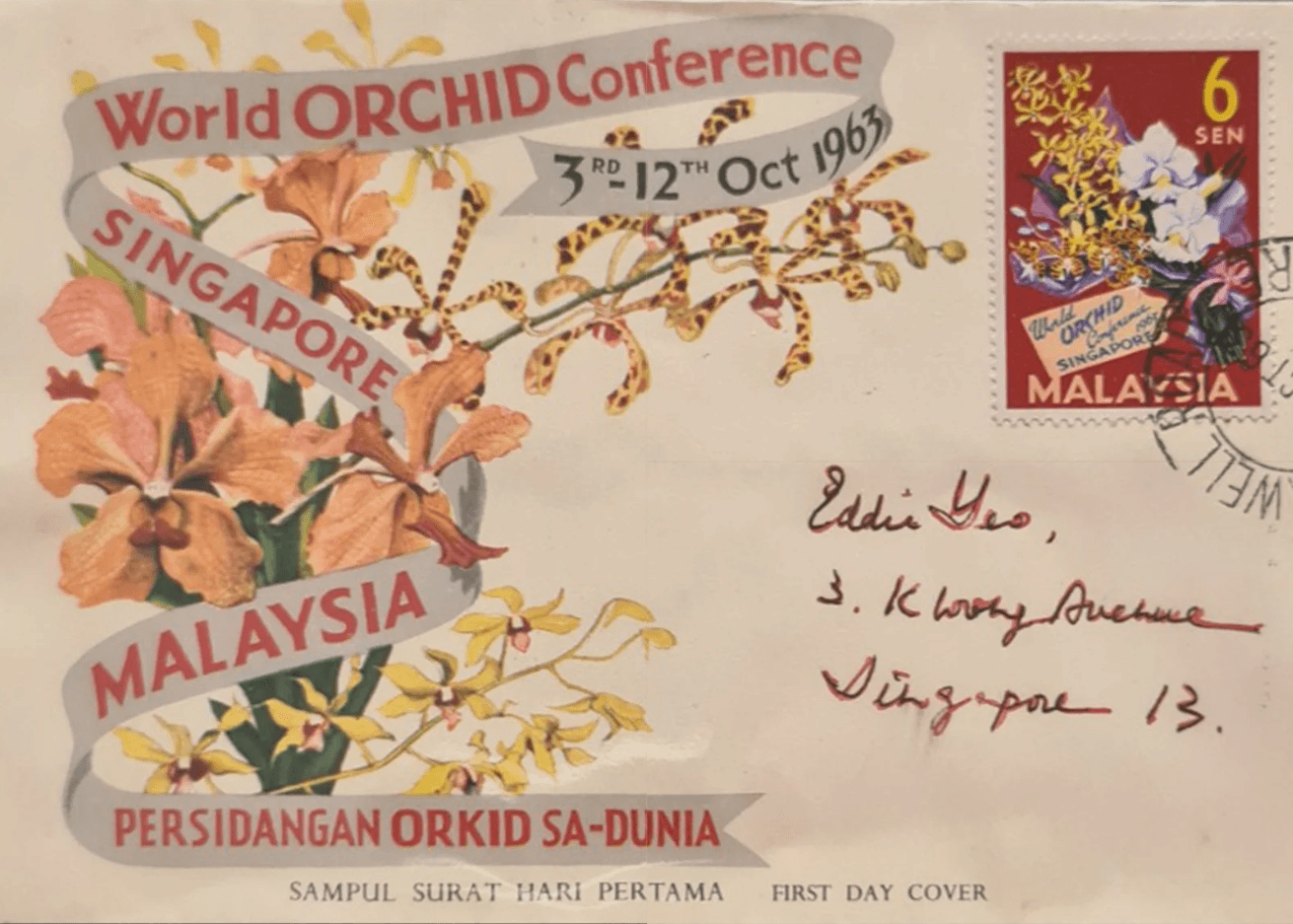
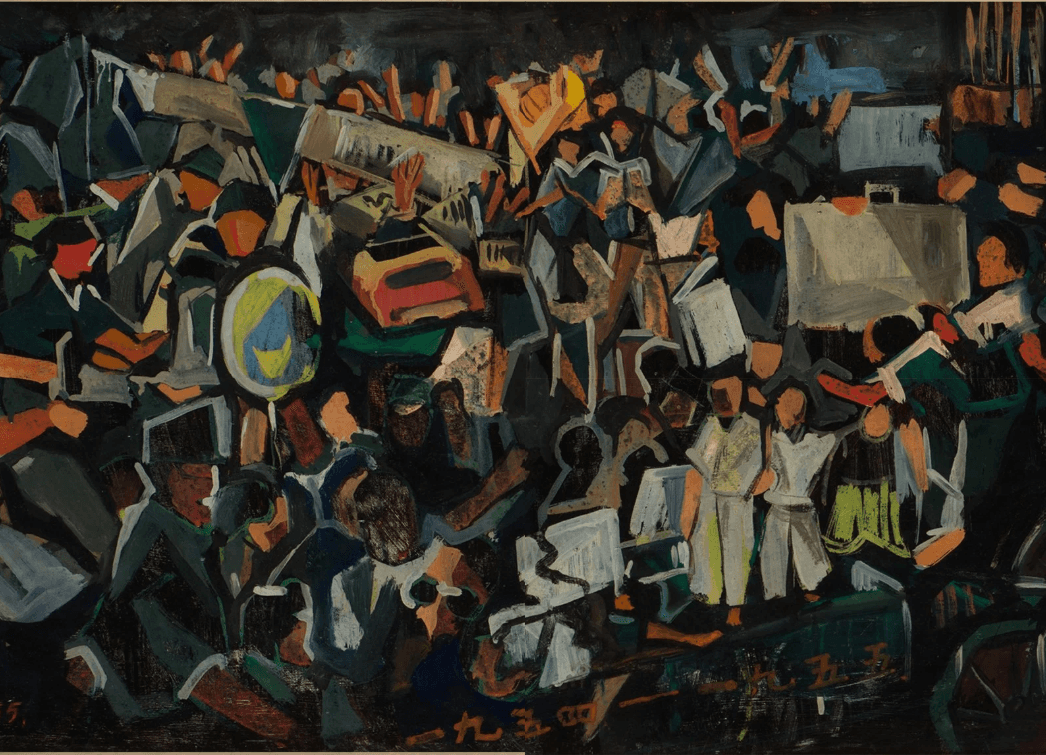
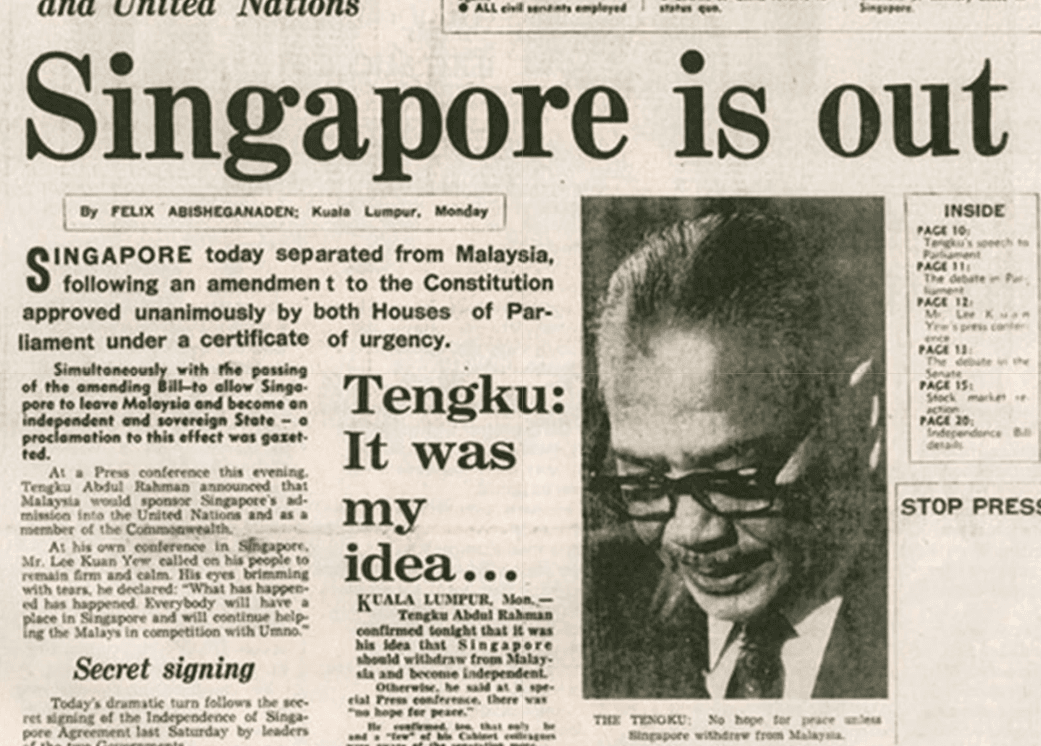
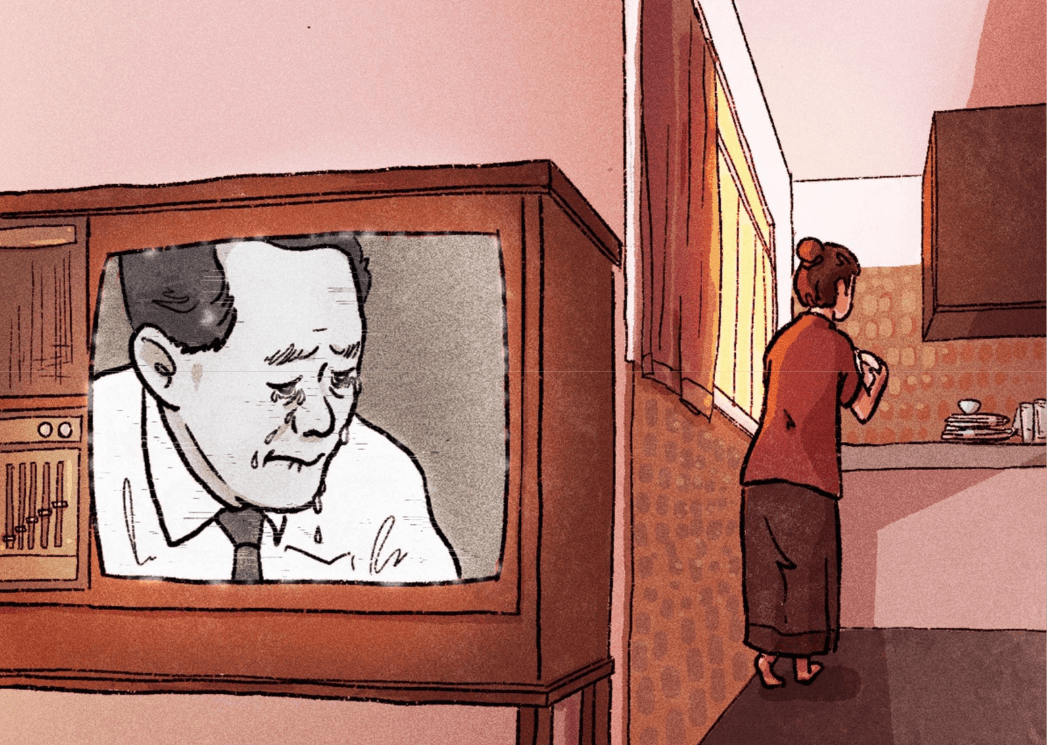
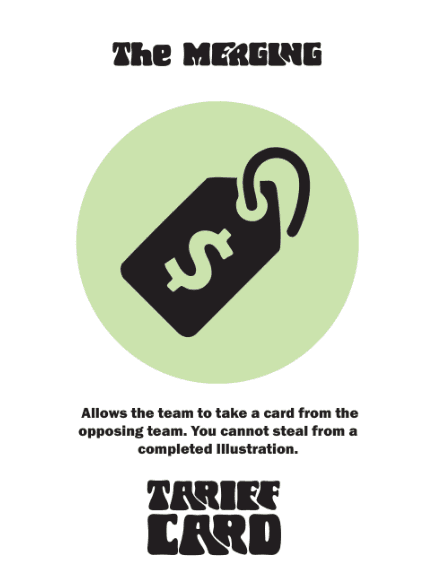
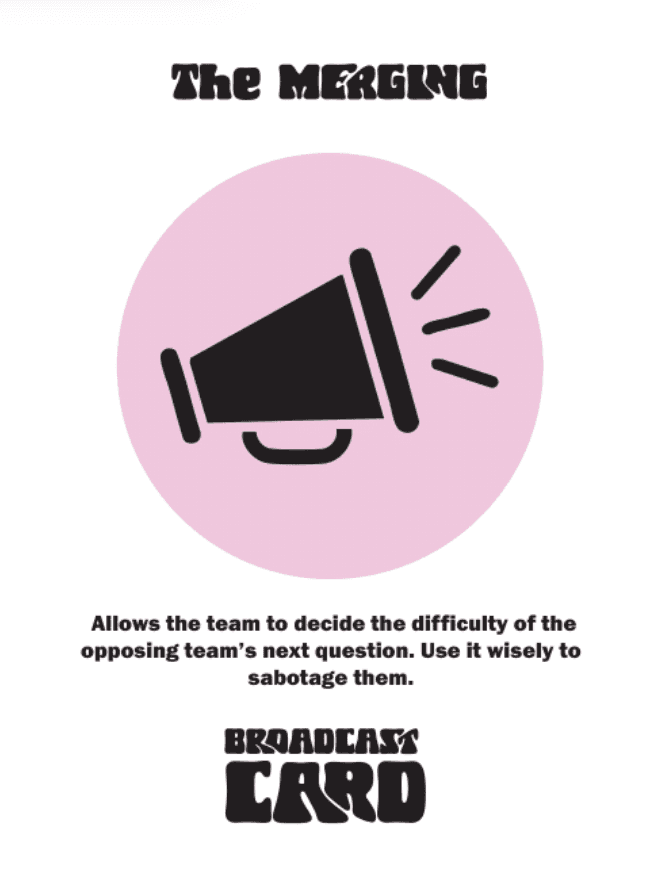
Lastly, we decided to introduce two Power Cards that could be drawn from the Prize Card pool.
Tariff: Take a card from the opposing team
Broadcast: Choose the difficulty of the opposing team's next question
These cards were designed to add variety and unpredictability to the game, keeping players engaged.
The names of the cards were inspired by notable measures taken during the merger.
Here is a short video illustrating the process of facilitating and playing this game.
UNIQUE SELLING POINT #1
UNIQUE SELLING POINT #2
UNIQUE SELLING POINT #3
UNIQUE SELLING POINT #4
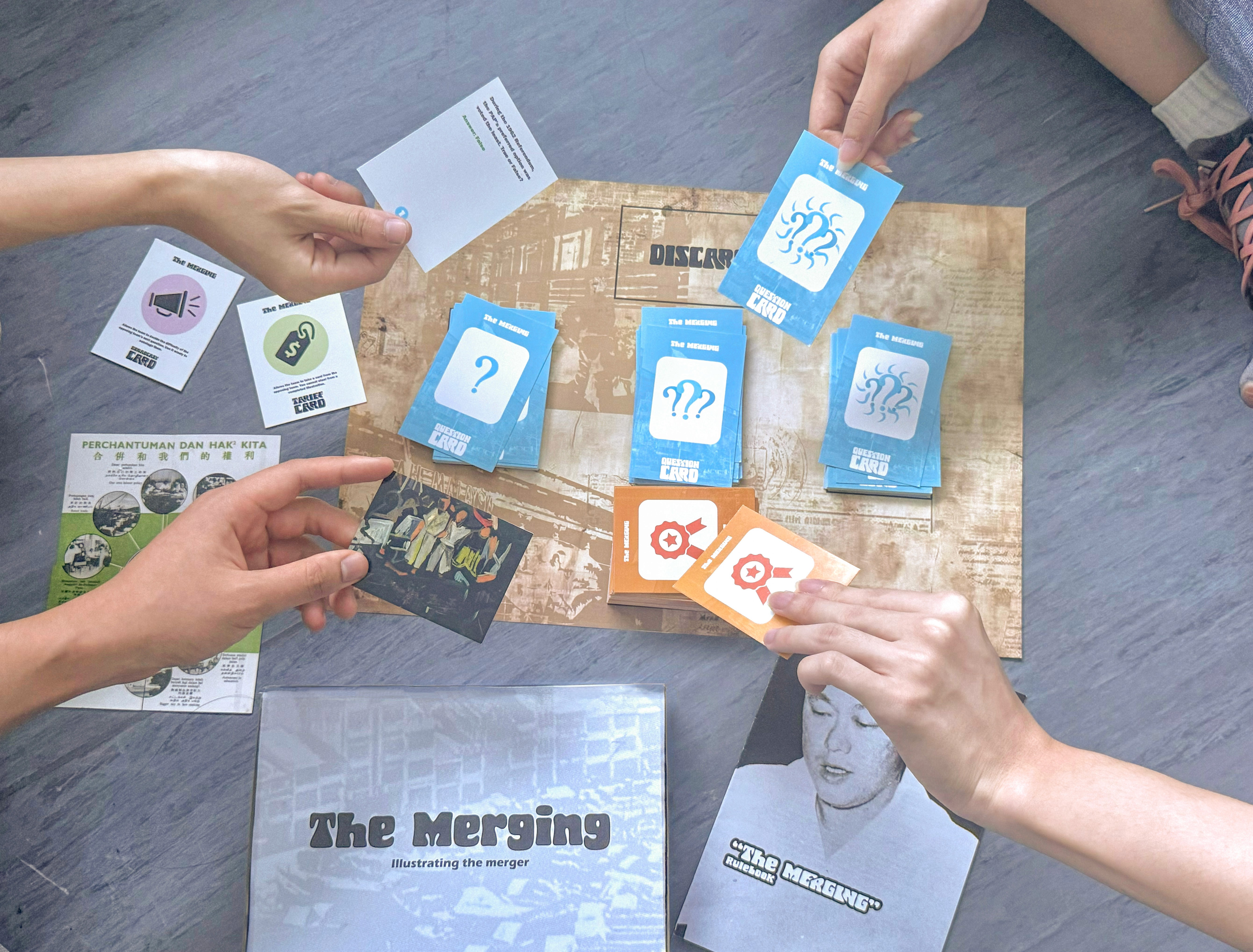
As this was my first client project, there is still room for growth, but I found the end result to be satisfying nonetheless.
In designing this game, we had to balance the educational content with engaging factors that captures the student's attention, while still keeping the experience accessible to a variety of skill levels.
Combined together, this project allowed us to blend historical content with creativity, resulting in a game that allows for collaborative learning, challenge, and critical thinking.
Conduct further user testing with our target personas to identify potential pain points and refine the user journey.
Translate key elements into a digital format to create a more accessible and engaging mixed-media experience.
Develop an augmented reality feature that brings the Prize Cards to life when scanned, adding an interactive layer to the learning experience.
Let's work together!
Email: ellure.cheong@gmail.com
Phone Number: +65 96639263
Linktree: https://linktr.ee/ellure.cheong
BACK TO TOP